
Sunway Eye Centre is a tertiary-level, multidisciplinary eye institute providing precision diagnostics, subspecialty care and technology-led treatment for all types of eye conditions, from common to complex. Our care covers the full journey — from eye health screening to diagnosis, treatment and visual rehabilitation.
Care is led by a team of eye specialists, each with expertise across different subspecialties, supported by advanced imaging and surgical technology. Accredited by the Malaysian Society for Quality in Health (MSQH) and the Australian Council on Healthcare Standards (ACHS), and recognised among Newsweek's Asia's Top Private Hospitals for both cataract and refractive eye surgery, Sunway Eye Centre also welcomes international patients with dedicated support to make their care as smooth and reassuring as possible.
Conditions & Treatments
Our multidisciplinary team of experienced specialists, supported by advanced technology, provides personalised care tailored to each patient’s unique needs and condition.
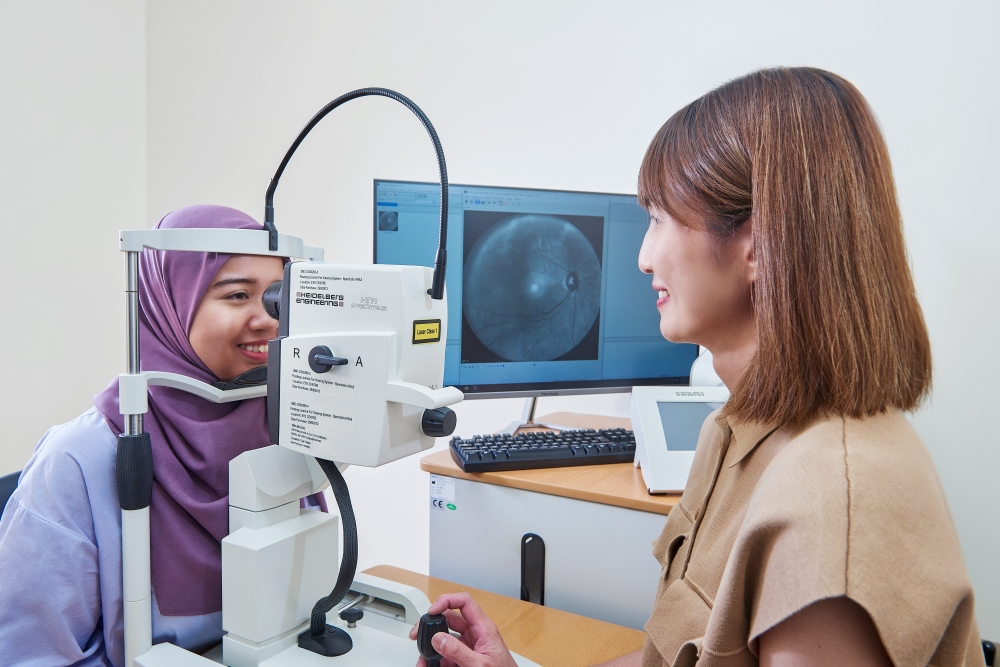
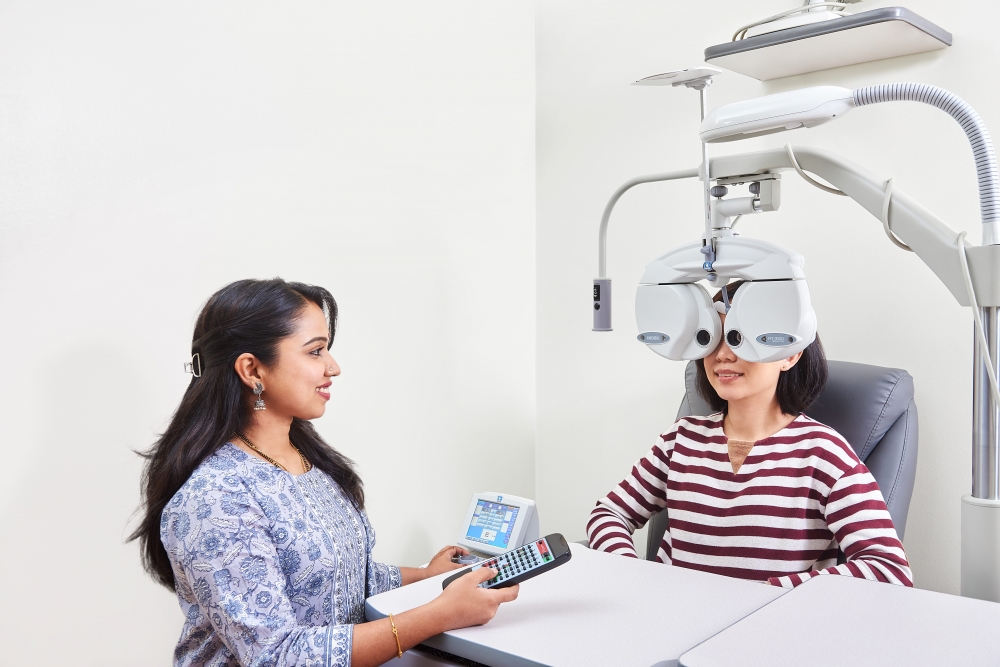
Eye conditions can affect people of any age, from infants to older adults, and range from mild and temporary to sight-threatening if left untreated. At Sunway Eye Centre, patients are cared for by ophthalmologists across different subspecialties, using precise diagnostic tools to identify the cause and plan the right treatment — whether that means medication, corrective lenses, laser therapy or surgery.
Retina Disorders
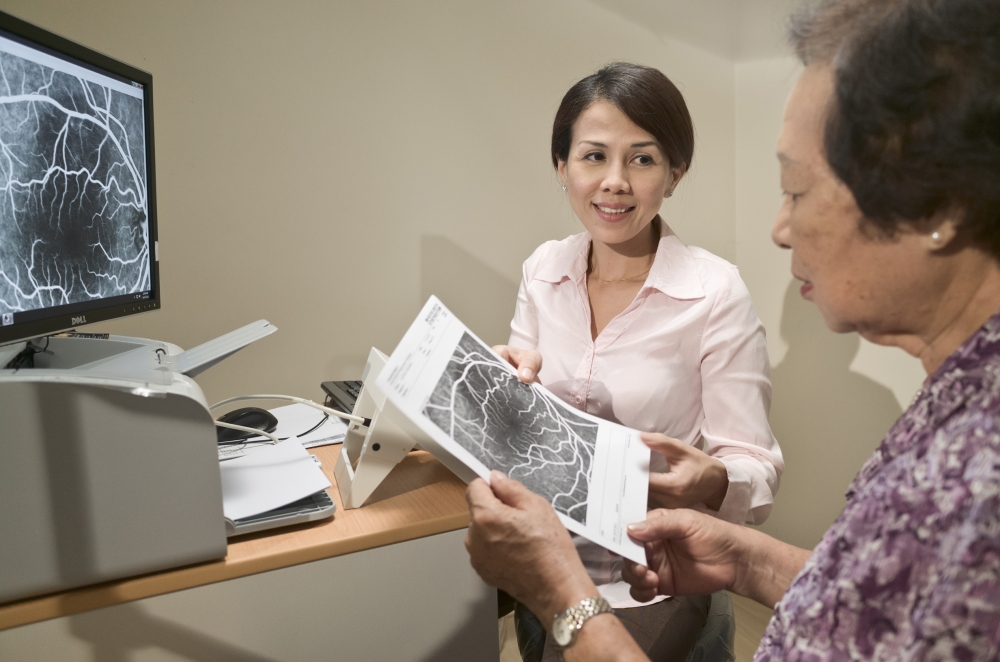
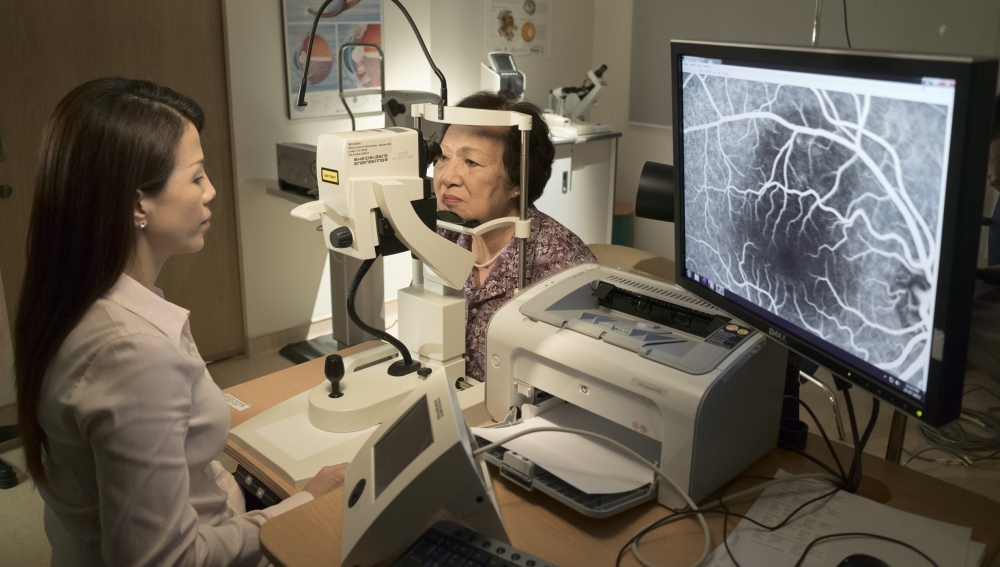
The retina is a light-sensitive layer at the back of the eye that plays a vital role in vision by transmitting visual signals to the brain. Conditions affecting the retina, such as diabetic eye disease, age-related macular degeneration (AMD), vitreo-retinal disease and retinopathy of prematurity (ROP), can lead to permanent vision loss if left untreated. Early diagnosis and timely treatment are essential to preserving vision and maintaining long-term eye health.
Vitreo-Retinal Disease
Vitreo-Retinal Disease
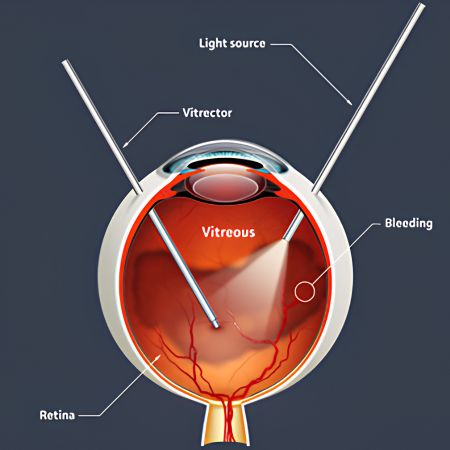
Vitreo-retinal diseases cover a range of conditions affecting the vitreous and retina at the back of the eye, including retinal detachment, retinal tears and macular holes, which can threaten sight if not treated quickly. Treatment options include anti-VEGF therapy, laser photocoagulation, vitrectomy and scleral buckle surgery, with 24-hour emergency access available for urgent cases.
Diabetic Eye Disease
Diabetic Eye Disease
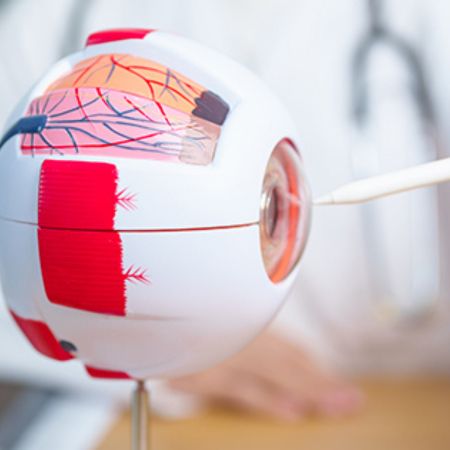
Diabetes can damage the blood vessels in the eyes, leading to diabetic retinopathy and an increased risk of glaucoma. Careful blood sugar control is the best way to prevent vision loss, alongside regular eye examinations every one to two years for people with diabetes.
Age-related Macular Degeneration (AMD)
Age-related Macular Degeneration (AMD)
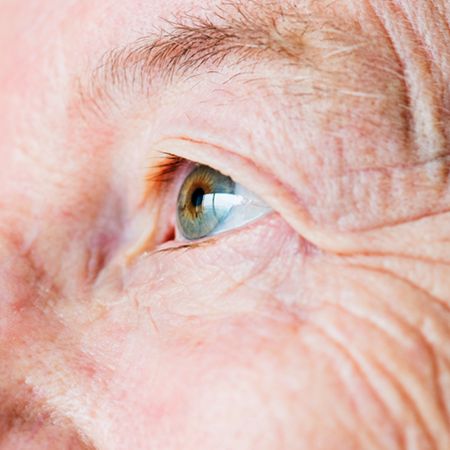
AMD affects the macula, the part of the retina responsible for sharp central vision, and comes in two forms: dry AMD, which causes slow, gradual vision loss and accounts for most cases, and wet AMD, which involves abnormal blood vessel growth and can cause rapid, severe vision loss. Regular self-monitoring with an Amsler grid can help detect early changes in vision.
Retinopathy of Prematurity

Retinopathy of Prematurity
This condition affects premature babies, where blood vessels in the retina grow abnormally and can lead to blindness if undetected, since early stages show no visible signs. Regular eye examinations for premature infants are essential, and advanced cases are treated with laser therapy or cryotherapy to slow the abnormal vessel growth, with scleral buckle surgery or vitrectomy as further options.
Glaucoma
Glaucoma is a group of eye conditions that damage the optic nerve, most commonly due to increased pressure inside the eye. Because glaucoma often develops without noticeable symptoms in its early stages, regular eye examinations are essential for early detection. Prompt treatment and ongoing monitoring can help slow disease progression and protect vision.
Glaucoma

Glaucoma
Glaucoma refers to a group of conditions that damage the optic nerve, usually due to raised eye pressure, and is a leading cause of blindness in people over 60. Because vision loss from glaucoma is permanent and often has no early symptoms, regular eye pressure checks are important; treatment with medication, eye drops, laser or surgery can slow or prevent further vision loss once detected.
Congenital Glaucoma
Congenital Glaucoma
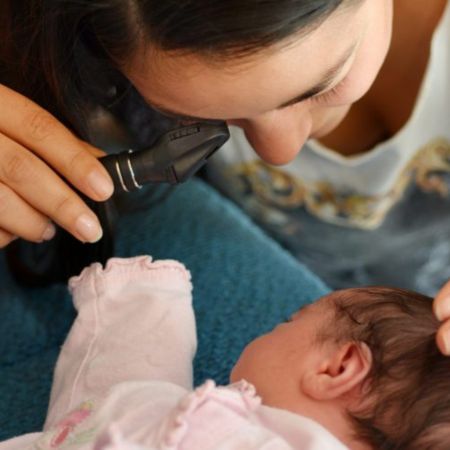
This rare condition affects babies and young children, usually caused by an eye drainage system that didn't develop properly before birth, leading to raised eye pressure that can damage the optic nerve. Treatment may include eye drops, oral medication or surgery, depending on the underlying cause.
Vision & Refractive Conditions
Vision and refractive conditions affect the way the eyes focus light, resulting in blurred vision or reduced visual clarity. These include myopia, refractive errors, keratoconus, lazy eye (amblyopia) and squint eye (strabismus), each requiring different approaches to diagnosis and management. Early assessment helps identify the underlying cause and determine the most appropriate treatment for each patient.
Myopia

Myopia
Myopia, or nearsightedness, is becoming increasingly common worldwide, and it raises the risk of more serious conditions later in life, such as retinal detachment and myopic macular degeneration. For children, low-dose atropine eye drops are currently the most effective way to slow its progression.
Refractive Errors

Refractive Errors
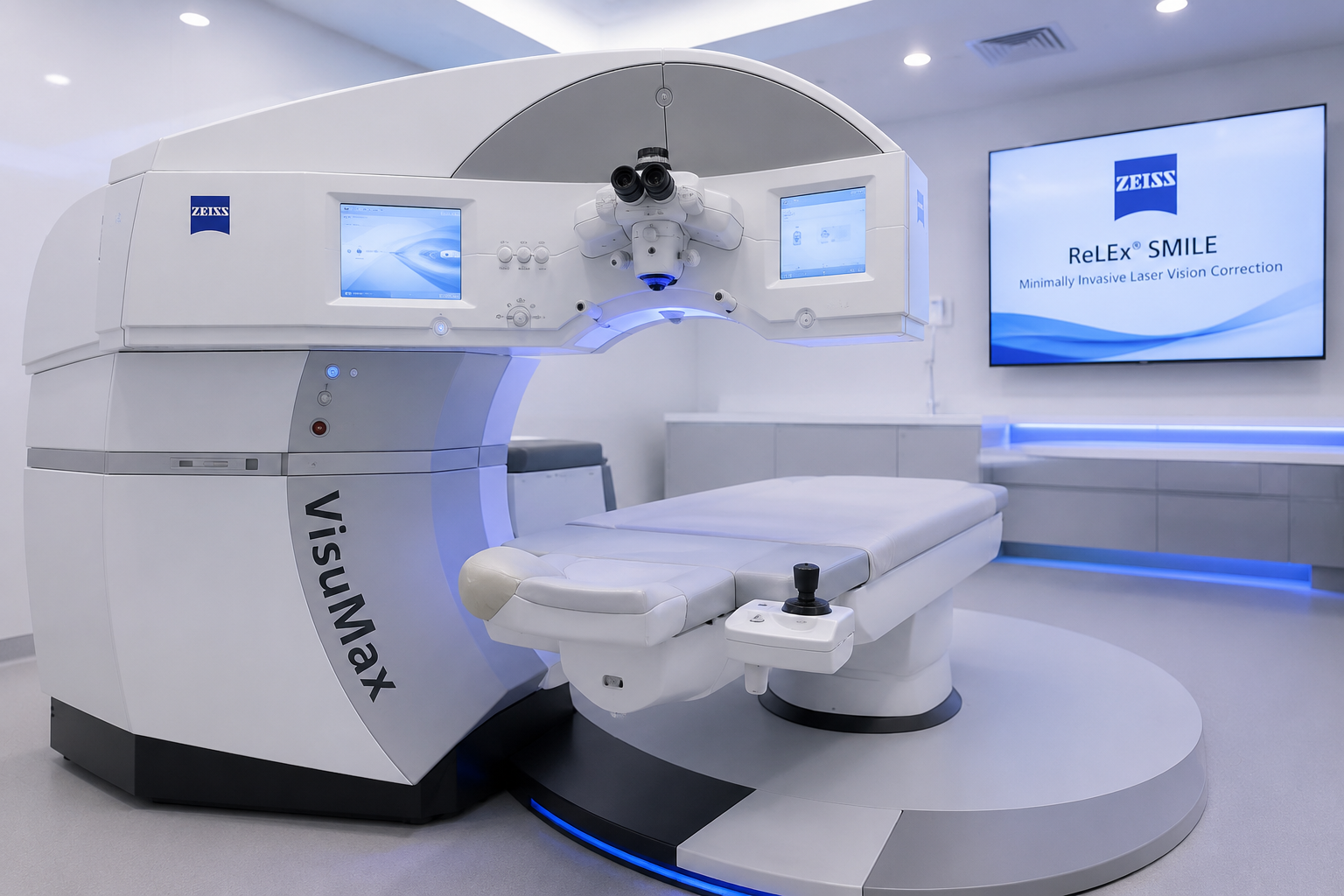
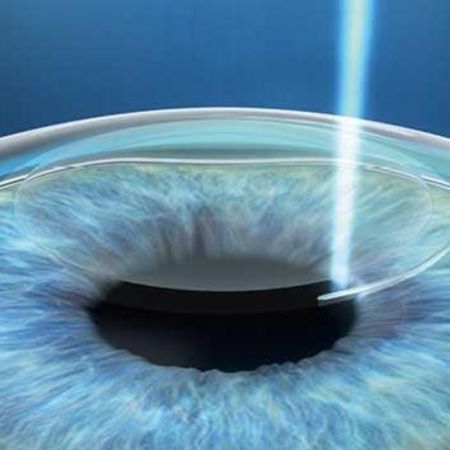
The most common refractive errors are myopia, hyperopia, astigmatism and presbyopia, each causing blurred vision in different ways. Depending on the type, treatment ranges from prescription glasses to laser vision correction procedures such as PRK, LASIK, SMILE or PRESBYOND.
Keratoconus
Keratoconus
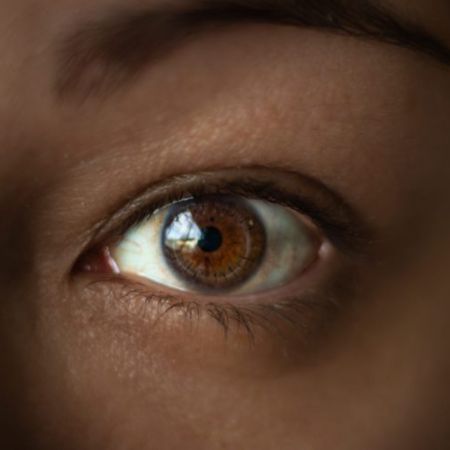
Keratoconus causes the cornea to gradually thin and bulge outward, leading to blurred vision and light sensitivity, usually starting between ages 10 and 25. Depending on severity, treatment ranges from glasses or rigid contact lenses to corneal collagen cross-linking, and in advanced cases, a corneal ring or corneal transplant.
Lazy Eye (Amblyopia)
Lazy Eye (Amblyopia)
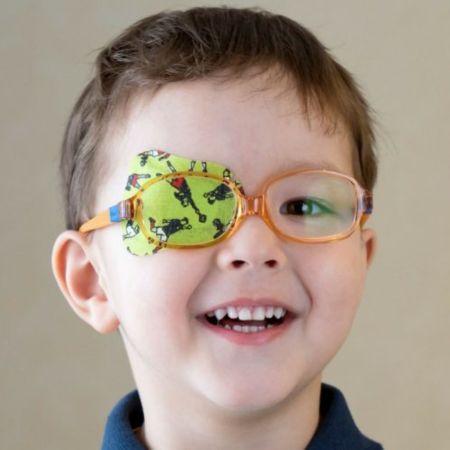
Amblyopia occurs when the eye and brain do not coordinate properly, causing reduced vision that glasses alone cannot fully correct. Treatment may involve specially tailored glasses or patching therapy, where the stronger eye is covered to encourage the weaker eye to develop.
Squint Eye (Strabismus)

Squint Eye (Strabismus)
A squint occurs when the eyes are misaligned, with one eye turning in a different direction from the other, and typically develops in infancy or childhood. Early treatment gives the best results and may include glasses, eye patching, Botox injections or vision therapy.
Cornea, Ocular Surface & Eyelid Disorders
The cornea, conjunctiva and eyelids play an important role in protecting the eyes and maintaining clear, comfortable vision. Conditions affecting these structures, such as dry eye syndrome, conjunctivitis, pterygium, uveitis, chalazion and congenital ptosis, can cause discomfort, irritation and visual disturbances if left untreated. Early diagnosis and personalised treatment can help restore eye health and improve quality of life.
Dry Eye Syndrome

Dry Eye Syndrome
Dry eye syndrome happens when the eyes don't produce enough tears or tears evaporate too quickly, often linked to aging, screen time, certain medications or environmental factors. Treatment usually involves artificial tears and lifestyle adjustments, with eyelid surgery considered for patients whose dry eye stems from an eyelid structural problem.
Conjunctivitis
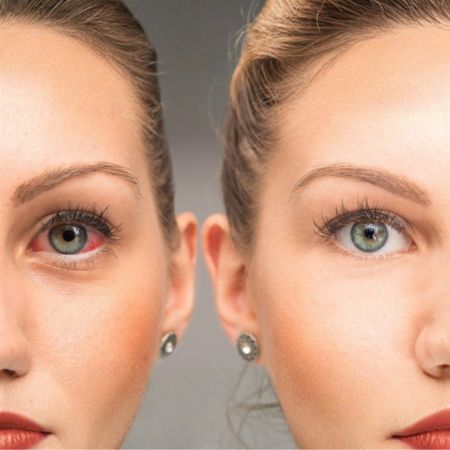
Conjunctivitis
Commonly known as "pink eye," conjunctivitis is inflammation of the eye's outer membrane caused by viruses, bacteria or allergens. Treatment depends on the cause — antibiotic drops for bacterial cases, cool compresses for viral cases, and antihistamines for allergic cases — alongside good hygiene practices to prevent spreading it to others.
Chalazion
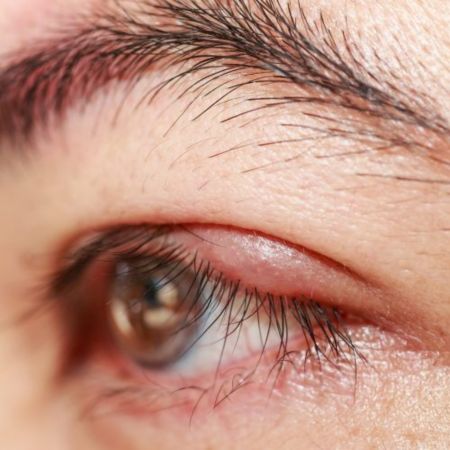
Chalazion
A chalazion is a small, usually painless lump that forms in the eyelid when an oil-producing gland becomes blocked. Warm compresses and eyelid massages are often enough to resolve it, though prescribed medication may be needed if inflammation develops.
Pterygium
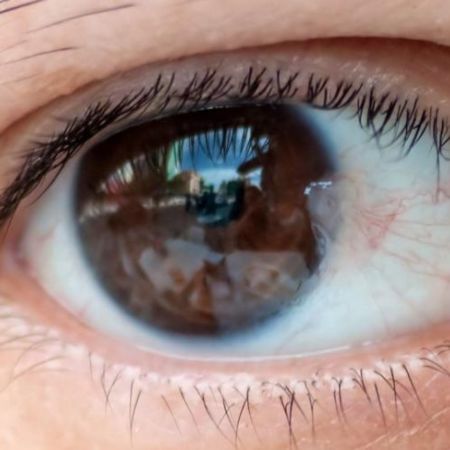
Pterygium
Sometimes called "surfer's eye," pterygium is a growth of tissue over the white part of the eye that can extend toward the cornea, most common in sunny, dry climates. Artificial tears can ease irritation, but surgical removal with a graft is the most effective long-term treatment.
Uveitis
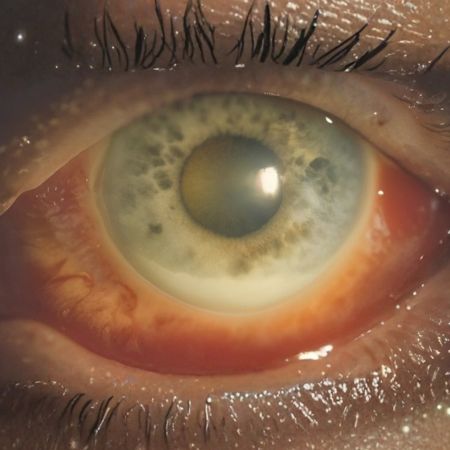
Uveitis
Uveitis is inflammation of the uvea, the middle layer of the eye, and can affect vision differently depending on which part it involves. Left untreated, it can permanently scar the eye or lead to complications such as glaucoma or cataract, so prompt treatment with steroid eye drops, pupil dilators or, in severe cases, oral medication or injections is important.
Congenital Ptosis

Congenital Ptosis
This condition causes drooping eyelids present from birth, usually due to an issue with the eyelid-lifting muscle. If left uncorrected, especially in moderate to severe cases, it can lead to amblyopia, and treatment is usually surgical.
Cataract
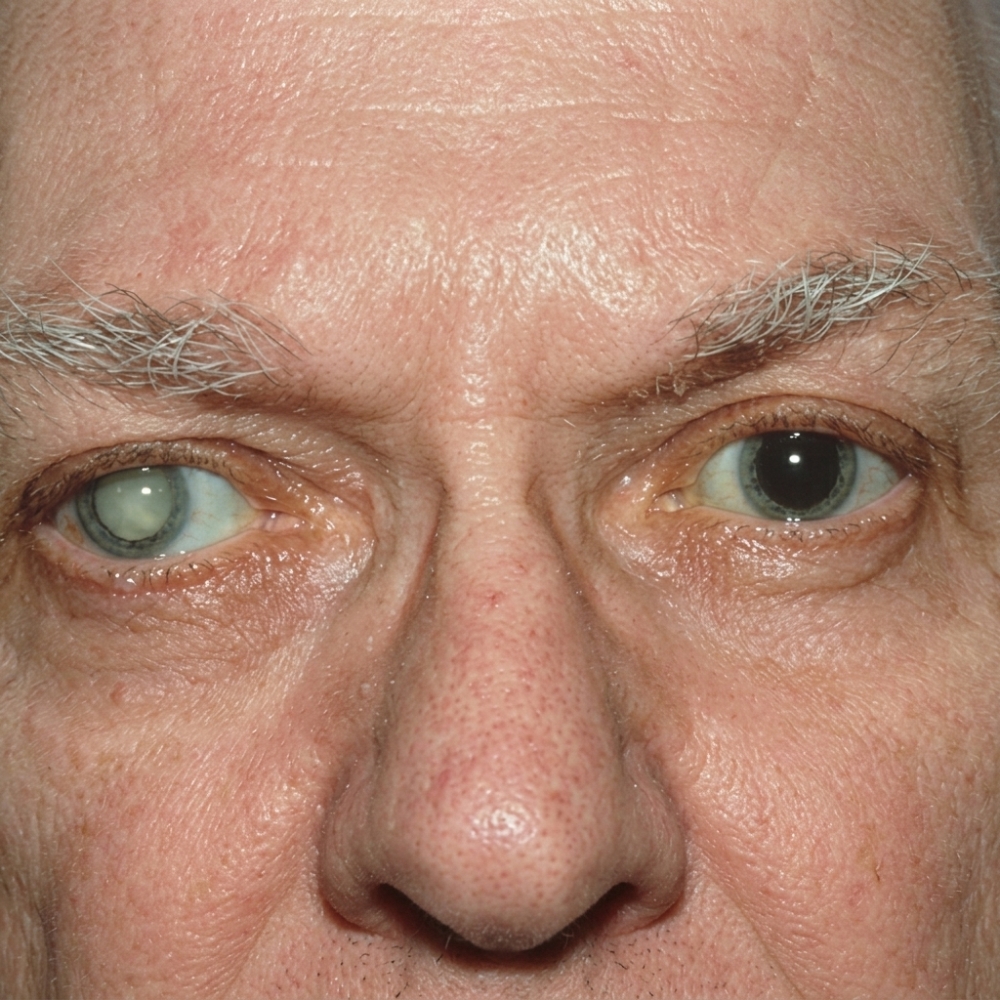
Cataract
A cataract is the clouding of the eye's natural lens, most often related to aging, and can affect people of any age including children (congenital cataract). The most effective treatment is cataract surgery, which removes the clouded lens and replaces it with an artificial one — with monofocal or multifocal intraocular lens options available depending on the patient's vision needs.

Meet Our Specialists
Our multidisciplinary team of experienced specialists is committed to delivering personalised, evidence-based care tailored to your individual needs. Working collaboratively across specialties, we provide comprehensive care with compassion, expertise and excellence at every stage of your healthcare journey.













Patient's Testimonials
Discover our patients’ experiences during their care at Sunway Medical Centre.
“ Regarding the coordination part, I would say it's good. From the doctors to nurses, they are very caring and show concern. If there are any problems, they will quickly respond, and I feel very satisfied and comfortable here. ”

“ The doctor is incredibly kind and compassionate. They really listen to you, and the entire experience far exceeded my expectations. "
" I felt that every time I did the tests and everything, they were always making sure that I was the right person. It felt very professional. There was a nice atmosphere you could really feel it, and that made a huge difference. "

“ I felt that SMC has excellent hygiene, facilities and staff. I believe that this hospital is on par with general hospitals in Japan and where one can visit with a piece of mind ”

Expert Care You Can Trust
Your health matters to us. Tell us your concerns, and we’ll guide you to the right specialist.
Need assistance?
Our team is ready to help, contact us below:
Contact Us on Whatsapp Contact Us on TelegramPackages & Promotions
We offer exclusive services for our international patient