
Sunway Cancer Centre provides comprehensive, compassionate cancer care for all types of cancer, from common to rare. We support patients through the full journey — from screening and diagnosis to treatment, follow-up and recovery.
Care is led by a multidisciplinary team of oncologists, haematologists, surgeons and allied health professionals, working together to build a treatment plan around each patient's needs. Internationally accredited by the Joint Commission International (JCI) and recognised among Newsweek's Best Specialised Hospitals in Asia Pacific for Oncology, Sunway Cancer Centre also welcomes international patients with dedicated support to make their care as smooth and reassuring as possible.
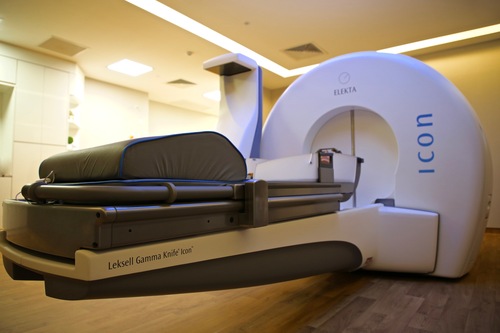
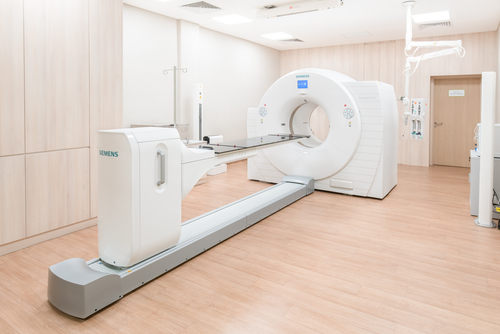
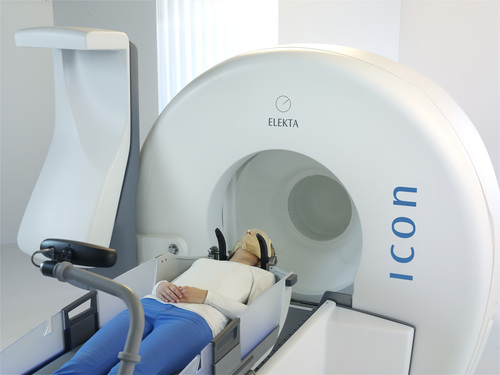
Conditions & Treatments
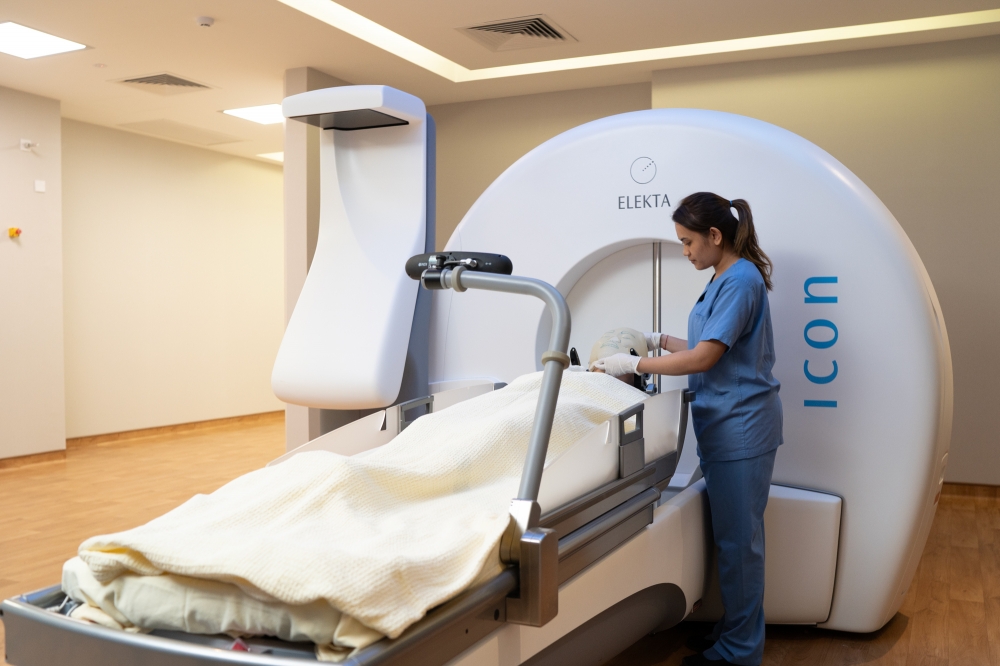
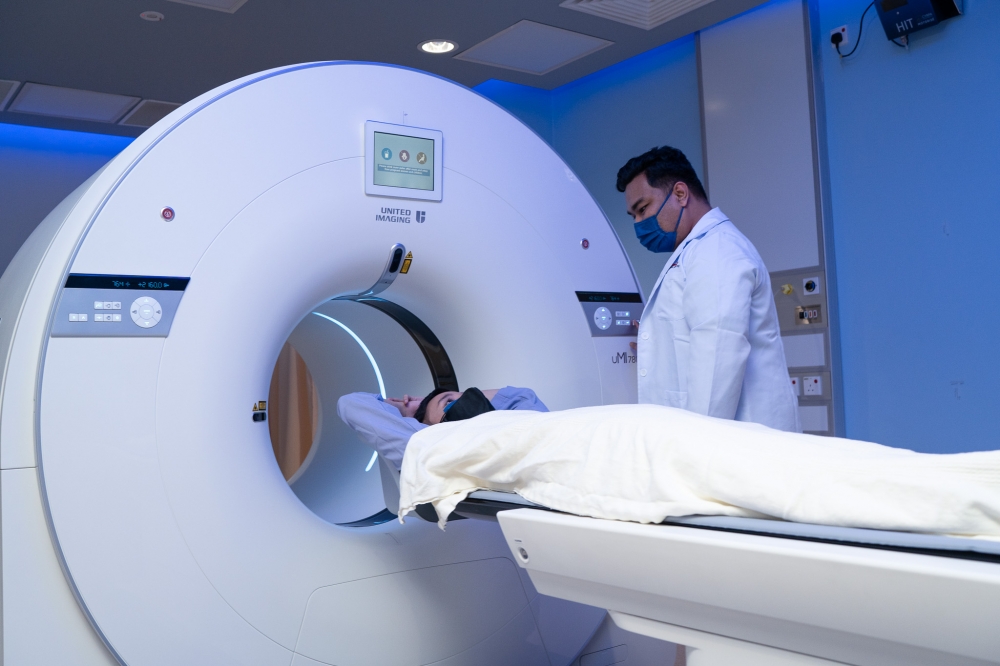
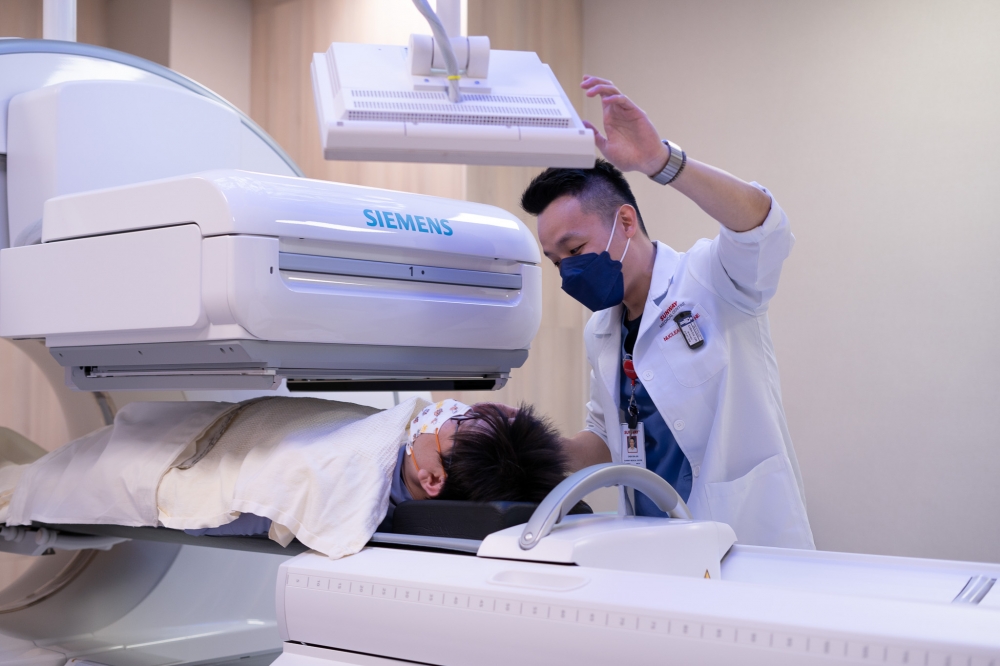
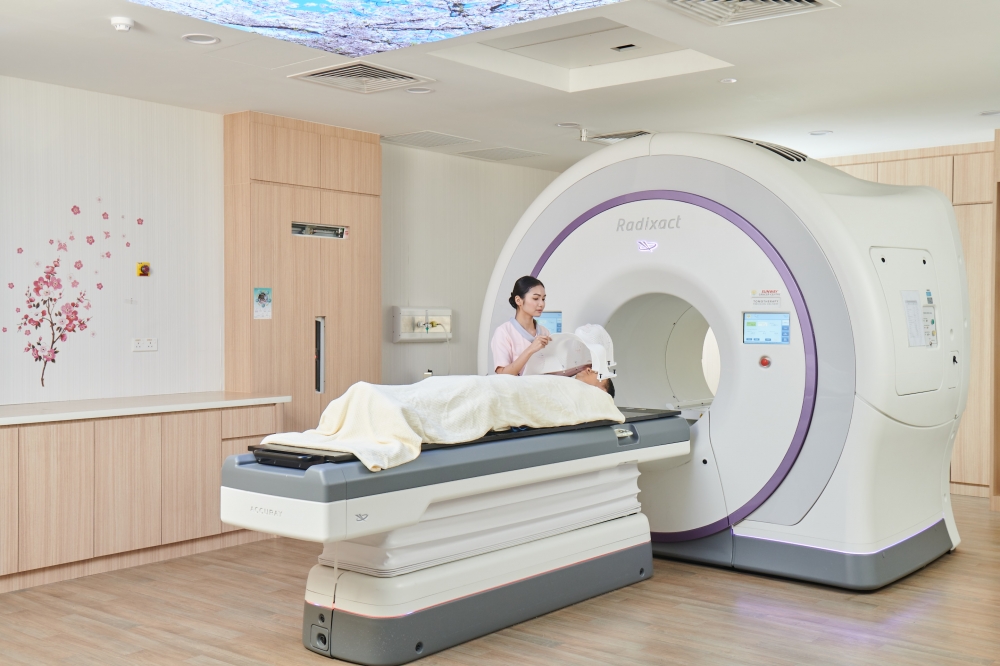
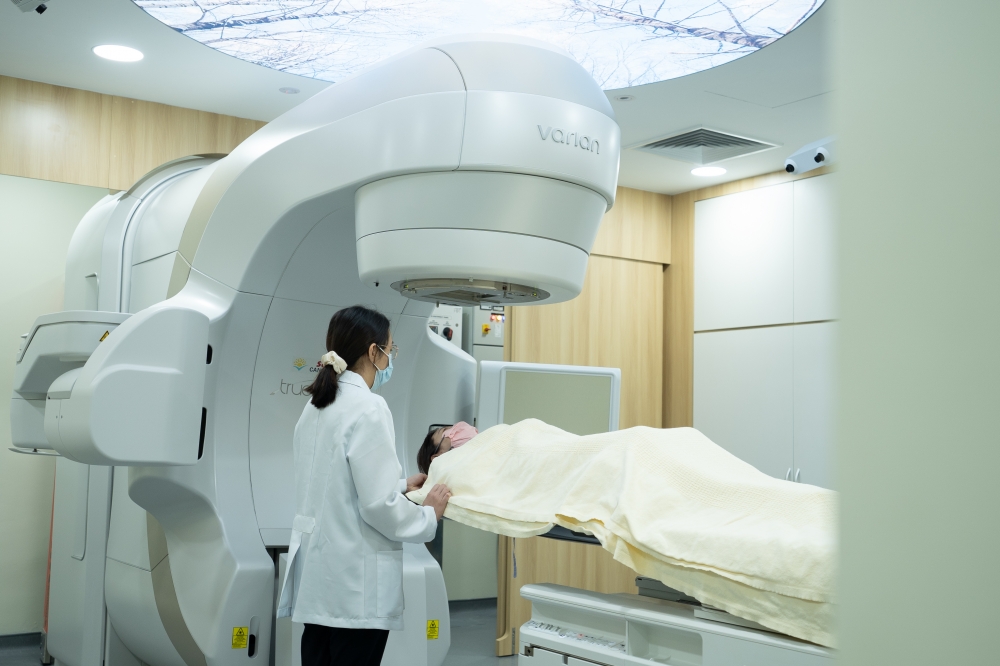
Our multidisciplinary team of experienced specialists, supported by advanced technology, provides personalised care tailored to each patient’s unique needs and condition.
Haematology
Haematology is the area of cancer care that treats cancers of the blood, bone marrow and lymphatic system. These cancers happen when blood cells grow in an abnormal or uncontrolled way, which can affect how the body fights infection, carries oxygen and controls bleeding. At Sunway Medical Centre Sunway City, patients with blood cancers are cared for by haematologists and a supporting team, using blood tests, bone marrow tests and advanced imaging to reach an accurate diagnosis and plan the right treatment.
Leukaemia
Leukaemia
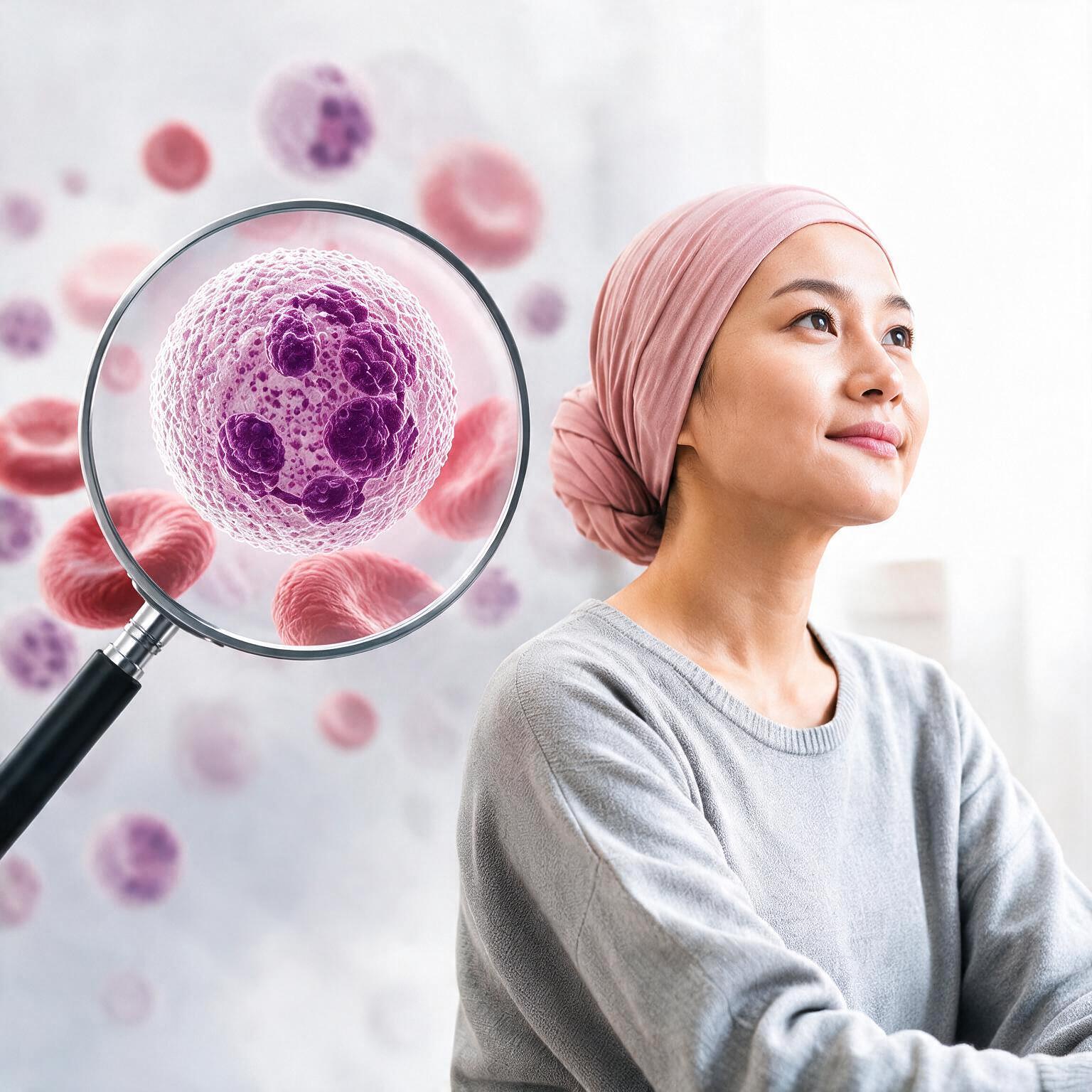
Leukaemia is a blood cancer that usually begins in the bone marrow, where the body makes too many abnormal white blood cells that do not work properly. This affects the body's ability to fight infection and to produce healthy blood cells. Common signs include tiredness, frequent infections, easy bruising and unexplained weight loss. Treatment depends on the type and stage, and may include chemotherapy, targeted therapy and, in some cases, a bone marrow transplant.
Lymphoma

Lymphoma
Lymphoma is a cancer of the lymphatic system, which is part of the body's immune defence. The two main types are Hodgkin lymphoma and non-Hodgkin lymphoma. A common early sign is a painless swelling of the lymph nodes in the neck, armpit or groin, sometimes with night sweats, fever or weight loss. Treatment is tailored to the type and may include chemotherapy, immunotherapy, targeted therapy or radiotherapy.
Multiple Myeloma
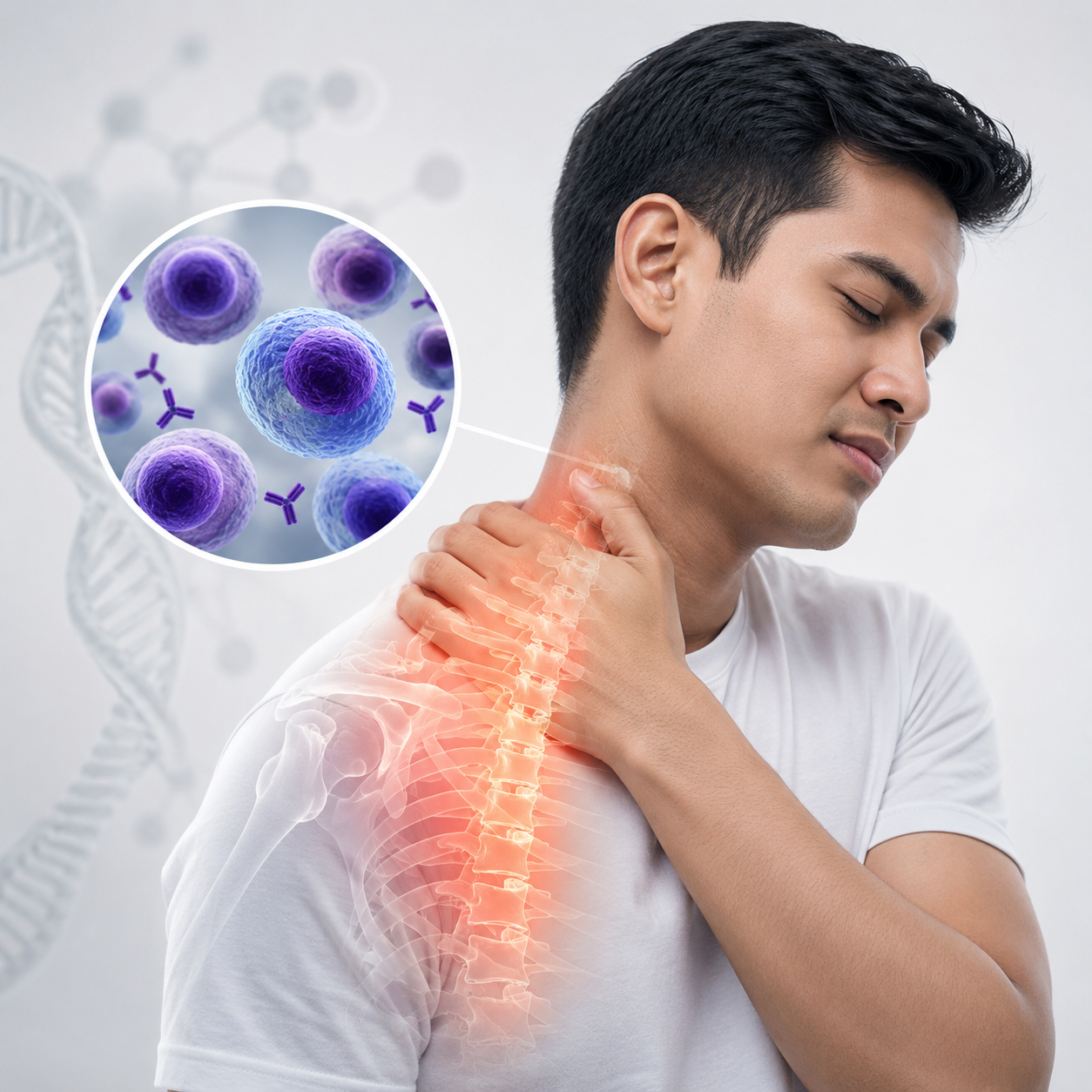
Multiple Myeloma
Multiple myeloma is a cancer of plasma cells, a type of white blood cell found in the bone marrow. As the abnormal cells build up, they can weaken the bones, lower healthy blood cell counts and affect kidney function. Early myeloma may cause no symptoms, but over time it can lead to bone pain, easy fractures, tiredness and repeated infections. Treatment may include targeted therapy, chemotherapy and a stem cell (bone marrow) transplant.
Childhood Cancer

Childhood Cancer
Childhood cancers develop in babies, children and teenagers, and they often behave differently from adult cancers. Common types include leukaemia, brain tumours and lymphomas. Because symptoms can be vague — such as ongoing tiredness, unexplained bruising, lumps or a fever that will not go away — early assessment by a specialist is important. Children are treated with plans designed for their age and needs, which may include chemotherapy, surgery, radiotherapy and supportive care.
Myelodysplastic Syndrome (MDS)
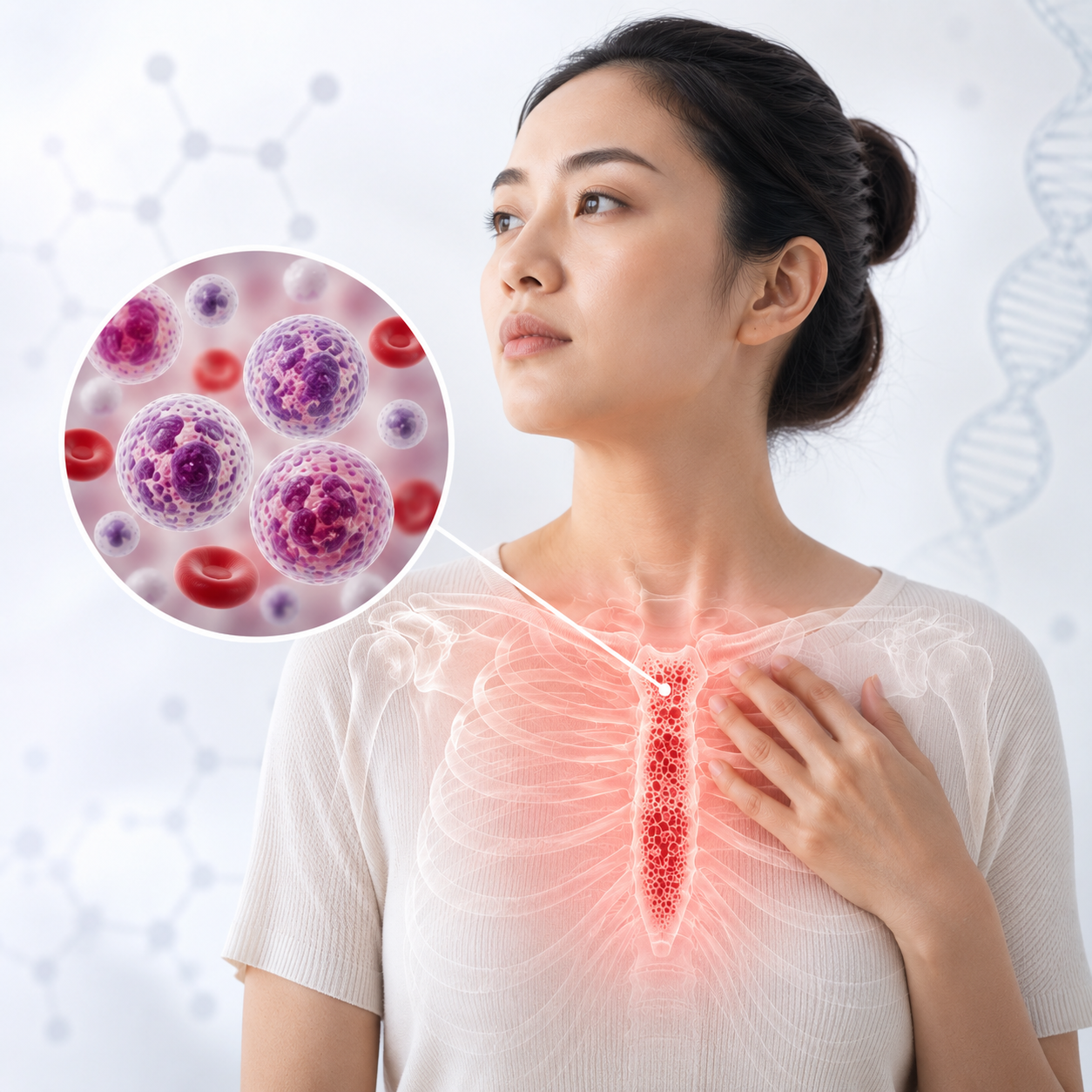
Myelodysplastic Syndrome (MDS)
Myelodysplastic syndrome is a group of rare blood cancers where the bone marrow cannot make enough healthy, mature blood cells. This can lead to low blood counts, causing tiredness, frequent infections and easy bleeding. In some patients, MDS can develop into acute myeloid leukaemia over time. Treatment is based on the subtype and risk level, and may include supportive care, medication or a bone marrow transplant.
Myeloproliferative Neoplasm (MPN)
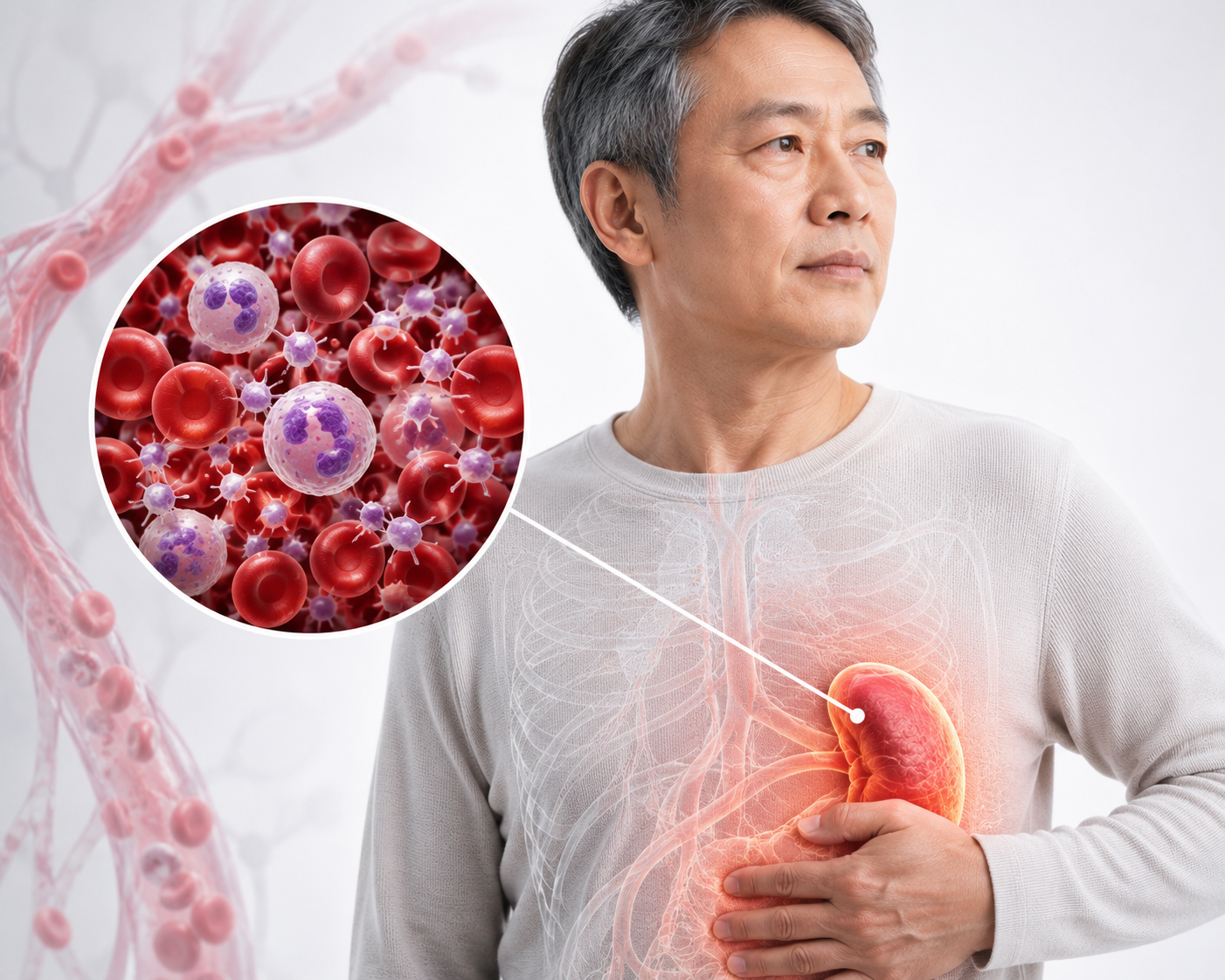
Myeloproliferative Neoplasm (MPN)
Myeloproliferative neoplasms are a group of blood cancers where the bone marrow makes too many blood cells. The three main types are polycythaemia vera (too many red cells), essential thrombocythaemia (too many platelets) and primary myelofibrosis (scarring of the marrow). Symptoms can include tiredness, itching, night sweats and an enlarged spleen. Treatment aims to control blood cell levels and lower the risk of complications, and is planned to suit each patient.
Oncology
Oncology covers the diagnosis and treatment of solid tumour cancers — cancers that form in the organs and tissues of the body, such as the breast, lung, colon, liver and prostate. At Sunway Medical Centre Sunway City, patients are cared for by a multidisciplinary team of surgeons, medical oncologists, clinical (radiation) oncologists, radiologists and pathologists. Using advanced imaging, biopsy and tumour board discussions, the team builds a personalised treatment plan for each patient, which may combine surgery, chemotherapy, radiotherapy, targeted therapy, immunotherapy or hormone therapy.
Breast Cancer
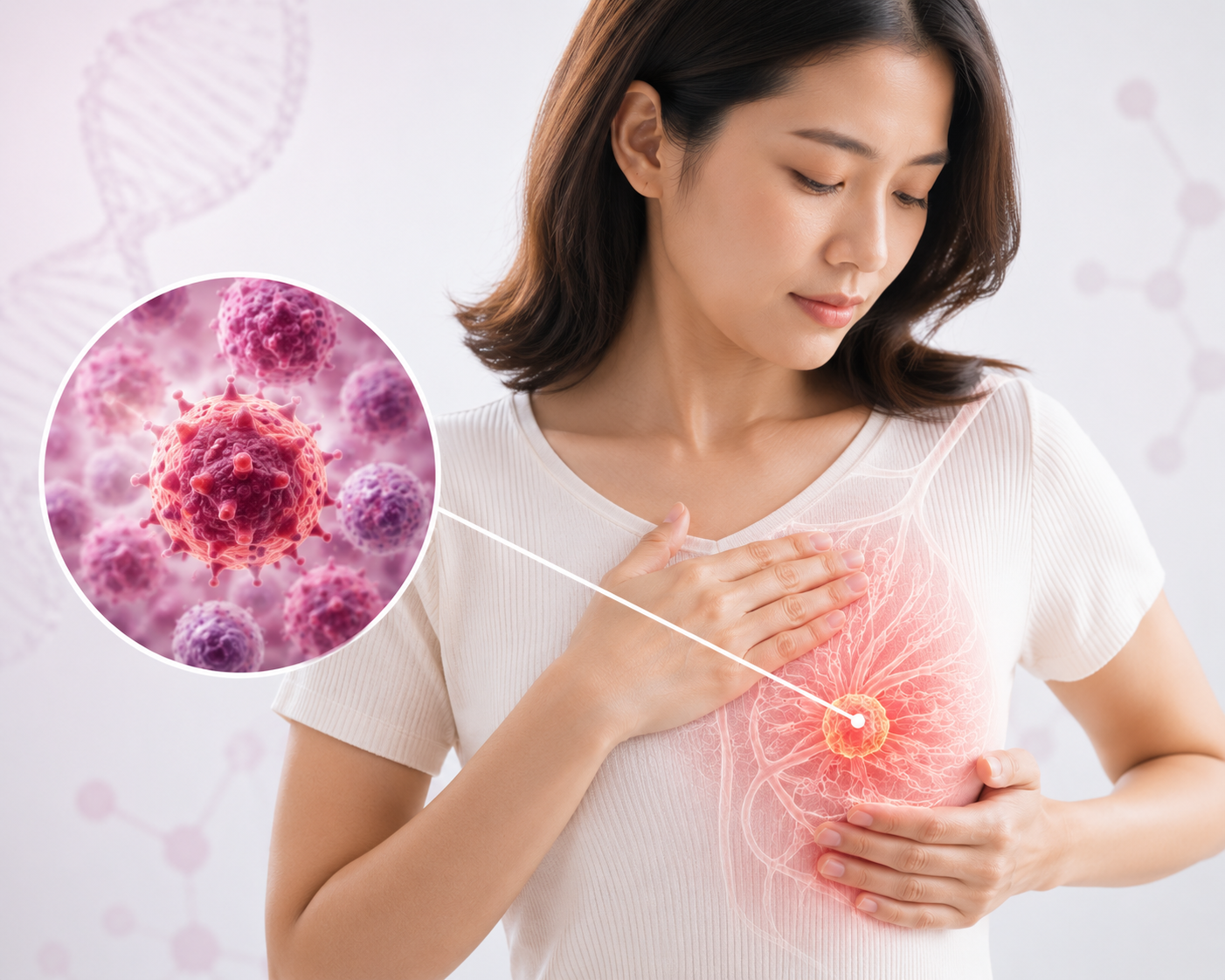
Breast Cancer
Breast cancer develops when cells in the breast grow in an abnormal, uncontrolled way, often forming a lump. It is the most common cancer among women in Malaysia, though it can also affect men. Warning signs include a breast lump, a change in breast size or shape, skin dimpling, or nipple discharge. When found early through screening such as mammography, it is highly treatable, with options including surgery (lumpectomy or mastectomy), radiotherapy, chemotherapy, hormone therapy and HER2-targeted therapy.
Cervical Cancer

Cervical Cancer
Cervical cancer starts in the cells of the cervix, the lower part of the womb. Most cases are linked to long-term infection with the human papillomavirus (HPV), which is why regular Pap smears and HPV vaccination are important for prevention. Early cervical cancer often has no symptoms, but later signs can include abnormal vaginal bleeding, bleeding after intercourse or unusual discharge. Treatment may include surgery, radiotherapy, chemotherapy or a combination, depending on the stage.
Colorectal Cancer

Colorectal Cancer
Colorectal cancer affects the colon or rectum and often begins as small growths called polyps, which can slowly turn cancerous over several years. Regular screening, such as a colonoscopy, can find and remove these polyps early, often before symptoms appear. Warning signs include a change in bowel habits, blood in the stool, abdominal discomfort or unexplained weight loss. Treatment may involve surgery, chemotherapy, radiotherapy or targeted therapy, based on the stage.
Liver Cancer

Liver Cancer
Liver cancer begins in the cells of the liver and is more common in people with long-term liver disease, such as chronic hepatitis B or C, cirrhosis or fatty liver. People at higher risk benefit from regular monitoring, since early detection allows more treatment choices. Symptoms may include upper abdominal pain, loss of appetite, weight loss or yellowing of the skin and eyes (jaundice). Treatment may include surgery, tumour ablation, targeted therapy, chemotherapy or interventional radiology procedures.
Lung Cancer
Lung Cancer
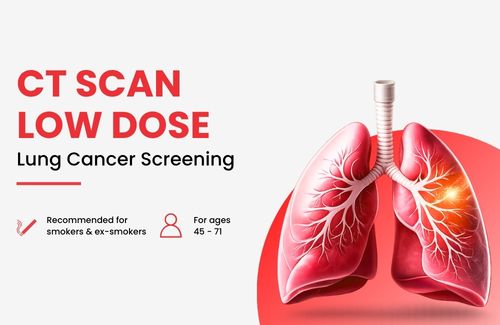
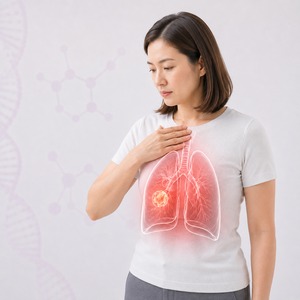
Lung cancer develops when abnormal cells grow uncontrollably in the lungs. Smoking is the leading risk factor, but it can also affect non-smokers. Early lung cancer often causes few symptoms, so screening is important for higher-risk people; later signs include a lasting cough, coughing up blood, chest pain or breathlessness. Treatment is personalised and may include surgery, chemotherapy, radiotherapy, targeted therapy or immunotherapy.
Nasopharyngeal Cancer

Nasopharyngeal Cancer
Nasopharyngeal cancer forms in the nasopharynx, the upper part of the throat behind the nose. It is more common in parts of Asia, including Malaysia, and is linked to the Epstein-Barr virus, family history and certain dietary factors. Symptoms can include a lump in the neck, a blocked or bleeding nose, hearing changes or ringing in one ear. Because of its location, it is most often treated with radiotherapy, chemotherapy or a combination rather than surgery.
Neuroendocrine Tumours

Neuroendocrine Tumours
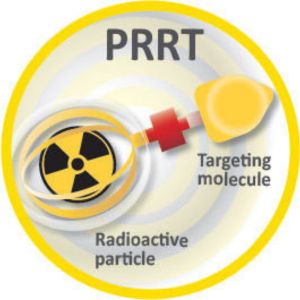
Neuroendocrine tumours (NETs) are a group of uncommon cancers that begin in the neuroendocrine cells found throughout the body, often in the digestive system, pancreas or lungs. They can grow slowly and may release hormones that cause symptoms such as flushing, diarrhoea or wheezing, though some cause no symptoms at all. Diagnosis often needs specialised imaging and blood tests. Treatment depends on the type and location, and may include surgery, targeted therapy and targeted radionuclide therapy.
Ovarian Cancer

Ovarian Cancer
Ovarian cancer begins in the ovaries, part of the female reproductive system, and is sometimes called a "silent" cancer because early symptoms can be mild or easy to miss. These may include bloating, abdominal or pelvic pain, feeling full quickly, or a frequent need to urinate. As there is no routine screening test, women with these ongoing symptoms or a family history should see a specialist. Treatment usually involves surgery and chemotherapy, and may include targeted therapy.
Sarcoma

Sarcoma
Sarcoma is a rare type of cancer that develops in the body's connective tissues, such as bone, muscle, fat, cartilage or blood vessels. It can appear almost anywhere in the body and is grouped mainly into soft tissue sarcoma and bone sarcoma. A common sign is a lump or swelling that grows over time, sometimes with pain if it presses on nerves or muscles. Treatment is planned by a specialist team and may include surgery, radiotherapy and chemotherapy.
Prostate Cancer
Prostate Cancer
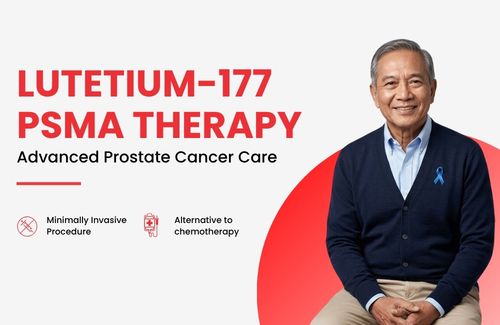
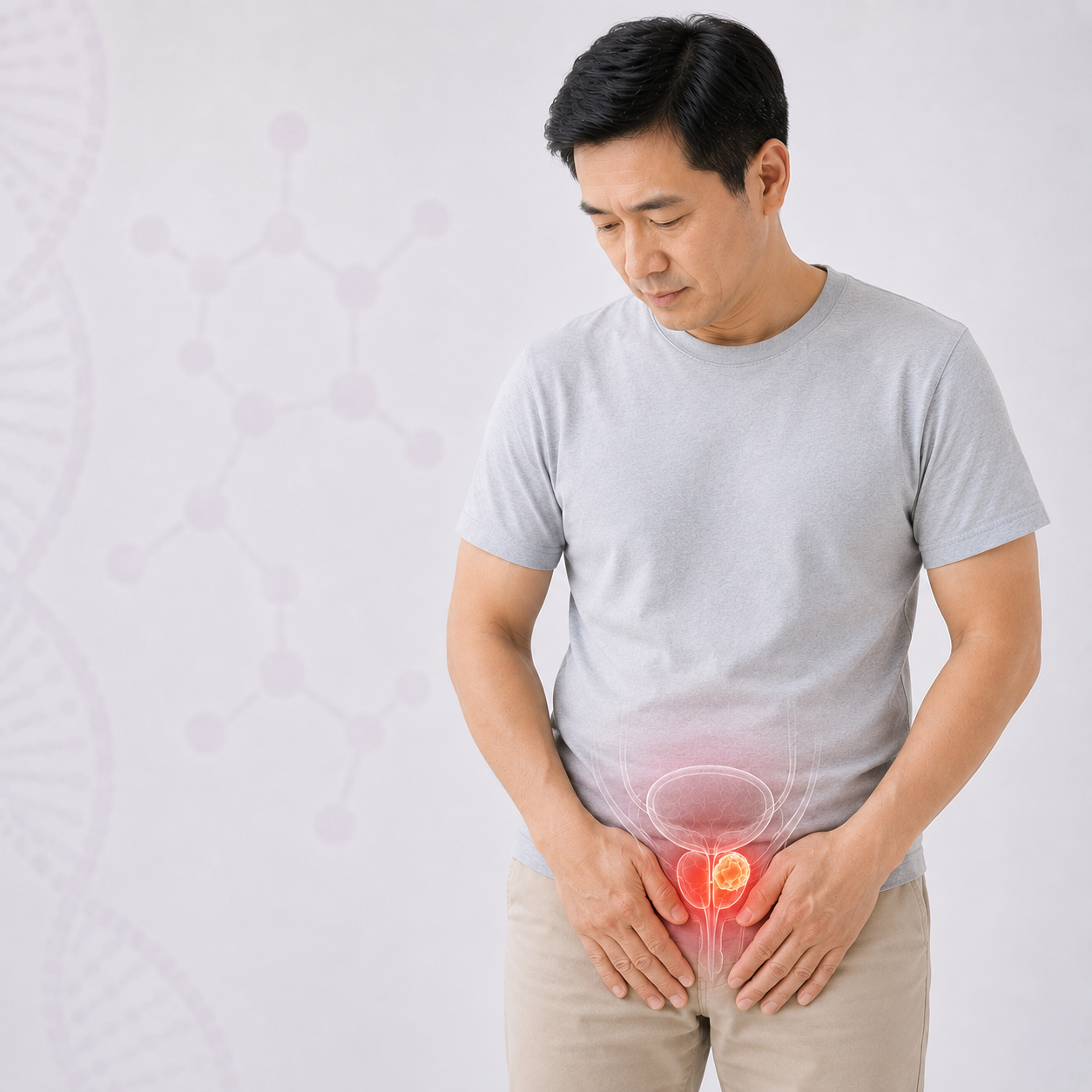
Prostate cancer develops in the prostate gland, part of the male reproductive system, and is one of the most common cancers in men. It often grows slowly, so many cases can be treated successfully when found early through a PSA blood test. When symptoms do appear, they may include difficulty passing urine, a weak flow, needing to urinate often at night, or blood in the urine. Treatment options include active monitoring, surgery, radiotherapy, hormone therapy or chemotherapy.


Meet Our Specialists
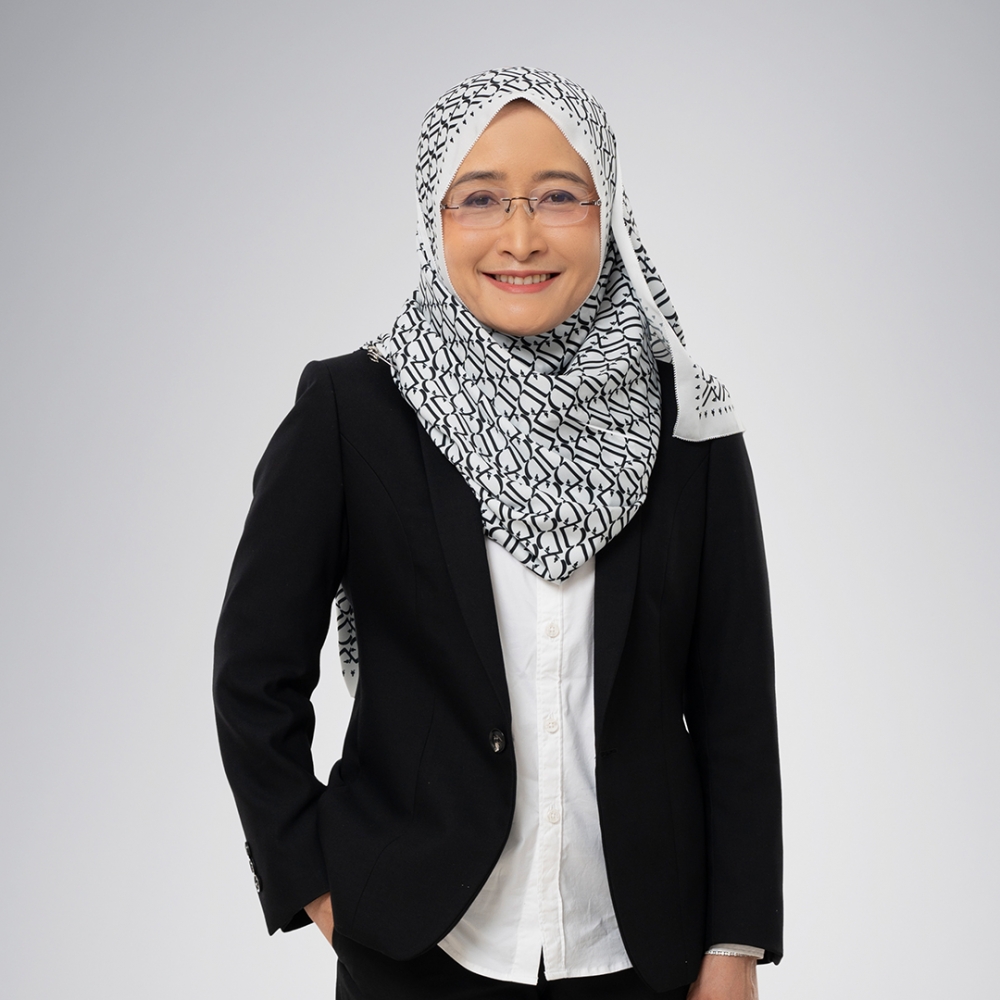
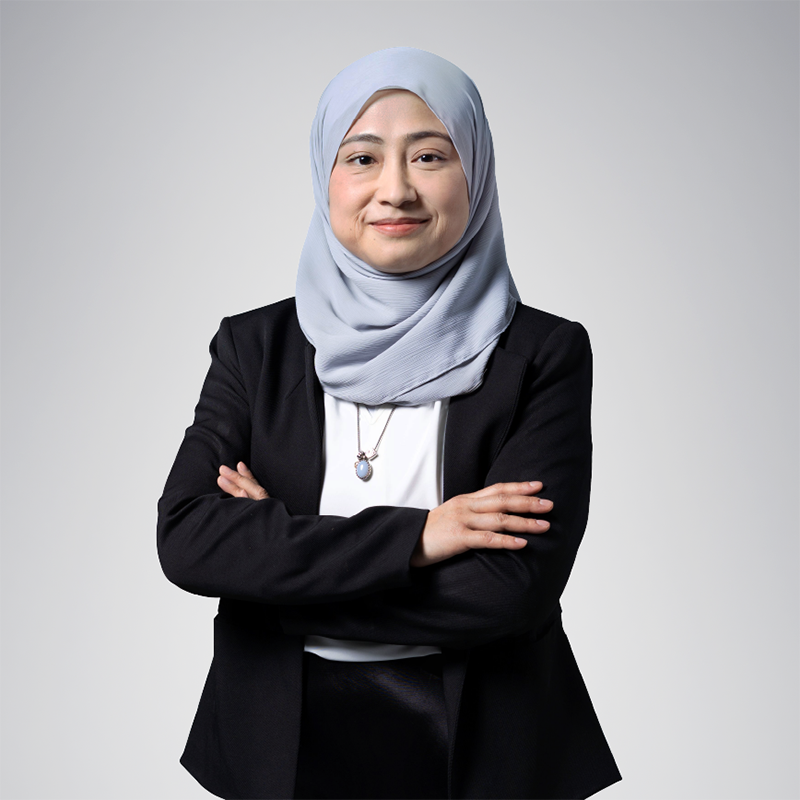
Our multidisciplinary team of experienced specialists is committed to delivering personalised, evidence-based care tailored to your individual needs. Working collaboratively across specialties, we provide comprehensive care with compassion, expertise and excellence at every stage of your healthcare journey.
























Patient's Testimonials
We offer exclusive services for our international patient
“ Regarding the coordination part, I would say it's good. From the doctors to nurses, they are very caring and show concern. If there are any problems, they will quickly respond, and I feel very satisfied and comfortable here. ”
“ The doctor is incredibly kind and compassionate. They really listen to you, and the entire experience far exceeded my expectations. "

" I felt that every time I did the tests and everything, they were always making sure that I was the right person. It felt very professional. There was a nice atmosphere you could really feel it, and that made a huge difference. "

“ I felt that SMC has excellent hygiene, facilities and staff. I believe that this hospital is on par with general hospitals in Japan and where one can visit with a piece of mind ”
Expert Care You Can Trust
Your health matters to us. Tell us your concerns, and we’ll guide you to the right specialist.
Need assistance?
Our team is ready to help, contact us below:
Contact Us on Whatsapp Contact Us on TelegramPackages & Promotions
We offer exclusive services for our international patient