
Lymphoedema: When Conservative Treatment May Not Be Enough
01/09/2026
Living with lymphoedema can be challenging. Persistent swelling caused by problems with the lymphatic system may lead to mobility challenges, pain, heaviness or tightness in the affected limbs. If left unmanaged, lymphoedema can progress and lead to complications.
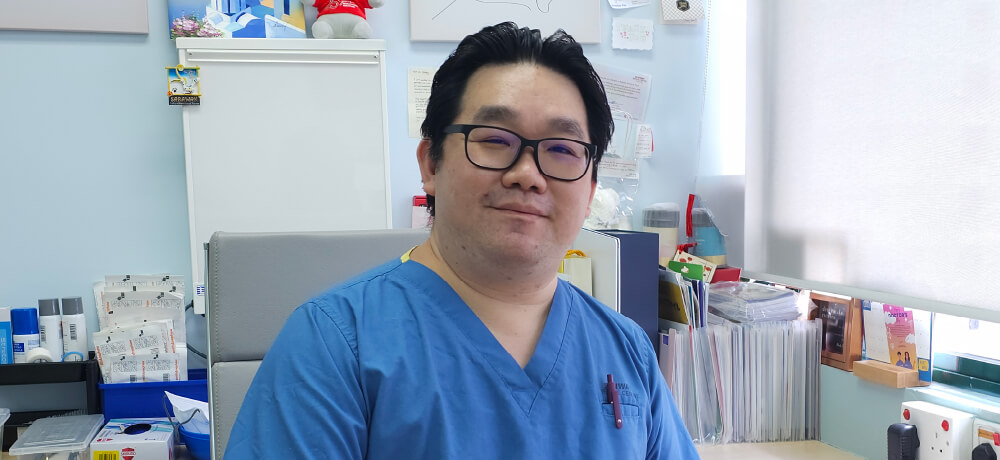
While conservative treatments can help manage lymphoedema, they may not always be sufficient for everyone. To better understand the condition, we spoke with Dr Jeffrey Chan Chee Yean, Consultant Plastic & Reconstructive Surgeon, about lymphoedema, when conservative treatment may not be effective and the surgical options available for selected patients.
Understanding Lymphoedema
Lymphoedema is a long-term condition caused by problems in the lymphatic system, which is responsible for draining excess fluid from the body's tissues. When lymphatic vessels are damaged, such as through infection or injury, or removed, usually as part of cancer treatment, fluid can build up in the affected area.
Common Signs and Symptoms
People with lymphoedema may experience:
- Persistent swelling, often in the arms or legs
- A feeling of heaviness or discomfort
- Tightness in the affected limb
- Reduced flexibility
- Skin thickening
- Recurrent skin infections such as cellulitis
- Changes in limb size or shape
However, swelling can have many possible causes and may sometimes be mistaken for other health conditions, such as heart failure or kidney disease.
Lymphoedema is not only a fluid-related problem. As the condition progresses, there may also be an increase in fatty tissue and scarring within the affected limb.
Current Conservative Treatment Approaches
According to Dr Jeffrey, the initial treatment for lymphoedema typically focuses on managing symptoms. These approaches may include:
- Compression garments
- Mechanical compression pumps
- Manual lymphatic drainage, a specialised form of massage
- Exercise and physiotherapy
- Skincare to reduce the risk of infection
These approaches aim to reduce swelling and improve comfort. However, they do not repair the underlying lymphatic system. In some individuals, symptoms may still gradually worsen despite consistent treatment.
Who Should Seek Medical Assessment?
Early symptoms of lymphoedema can sometimes be subtle and may occur even before obvious swelling develops.
Dr Jeffrey recommends medical assessment for individuals who:
- Have undergone cancer treatment, especially involving lymph node removal, such as for breast, prostate or colorectal cancer
- Have persistent limb swelling without a clear cause
- Experience recurrent skin infections such as cellulitis, particularly when recovery is slow
- Have advanced lymphoedema, including severe enlargement of a limb
Early assessment can help determine the condition of the lymphatic system and guide the appropriate next steps.
Lymphoedema Screening at Sunway Medical Centre Sunway City
If you are experiencing persistent limb swelling, heaviness or tightness, screening can help assess possible lymphatic concerns.
The Lymphoedema Screening Package at Sunway Medical Centre Sunway City, Kuala Lumpur includes ICG Lymphography-Guided Screening, a lymphatic imaging method used to help identify the location and flow of lymphatic vessels.
The package is designed for individuals experiencing persistent limb swelling, heaviness, tightness or skin changes that do not go away. Limb heaviness or tightness, even without visible swelling, may be an early symptom of lymphoedema and should be assessed by a medical professional.
[Explore the Lymphoedema Screening Package]
When Might Surgery Be Considered?
As lymphoedema becomes more advanced, long-standing inflammation and tissue changes can make conservative treatments less effective.
“Surgery may be considered in selected patients, particularly when symptoms persist or progress despite appropriate conservative care,” explains Dr Jeffrey.
In earlier stages, when swelling is still mild, certain procedures aim to improve lymphatic drainage by redirecting fluid around blocked or damaged vessels. Early evaluation can be helpful because these procedures depend on the presence of functioning lymphatic channels.
In more advanced stages, swelling may involve a combination of fluid accumulation, fatty tissue growth and fibrosis. In such cases, different surgical approaches may be considered to address these components, including procedures that reduce excess tissue.
Advances in imaging and microsurgical techniques have expanded the range of options available. Depending on the individual situation, these may include:
- Physiological procedures, which aim to restore or improve lymphatic flow
- Debulking procedures, which reduce excess tissue in more advanced disease
Preparing for Lymphoedema Surgery
Deciding whether surgery is appropriate involves careful evaluation, including clinical assessment and imaging where appropriate.
Dr Jeffrey usually recommends that his patients start wearing compression garments at least three months before surgery. This helps reduce swelling and allows him and the surgical team to determine the most appropriate treatment approach.
The choice of treatment depends on factors such as the stage of lymphoedema, the condition of the lymphatic system, and the patient's overall health and goals.
What Results Can You Expect?
“Surgical treatment is not a cure for lymphoedema,” stresses Dr Jeffrey.
Instead, surgery may help to:
- Improve lymphatic drainage
- Reduce the frequency of infections
- Decrease limb size in selected cases
- Improve comfort and mobility
Surgery is usually considered as part of a broader, long-term management plan and often works alongside ongoing conservative therapy.
Outcomes for lymphoedema surgery have improved due to:
- Better understanding of the disease and its progression
- More precise imaging techniques
- Advances in microsurgery
- Earlier identification of suitable patients
Multidisciplinary care involving surgeons and a rehabilitation team is also important in supporting recovery and long-term management.
Early Assessment Matters
The choice of treatment depends on the stage of lymphoedema, the condition of the lymphatic system, and the patient's overall health and goals. It requires a discussion with a specialist about expectations, potential benefits and limitations.
For individuals whose condition is not properly controlled with conservative measures, surgical options may be explored as part of a comprehensive, long-term management strategy.
If you are experiencing persistent swelling, heaviness or tightness, early assessment can help identify possible lymphatic concerns and guide appropriate care.
Explore Lymphoedema Screening in Kuala Lumpur
The Lymphoedema Screening Package at Sunway Medical Centre Sunway City includes ICG Lymphography-Guided Screening to help assess lymphatic vessel location and flow.
[Explore Our Lymphoedema Screening Package]
Back